How to Choose the Right Saree Fabric: A Guide to Cotton, Silk, Linen and More
A saree is only as good as the fabric it is woven from. The same six yards can feel crisp and breezy in cotton, rich and formal in silk, or soft and fluid in georgette, and choosing the right one is the difference between a saree you reach for again and again and one that stays folded in the wardrobe. If the sheer number of fabrics has ever left you unsure at checkout, this guide is for you.
At For She, we work with everything from handloom khadi cotton to soft Mysore silk, and the questions our customers ask most are about fabric: which drapes easily, which survives an Indian summer, which carries sequin work without feeling heavy. This guide walks through the most popular saree fabrics, what each one feels and looks like, and how to match a fabric to your occasion, your climate and your comfort.
- Why fabric matters more than you think
- Cotton sarees: everyday ease
- Silk sarees: occasion and grandeur
- Linen sarees: the breathable modern classic
- Georgette and organza: drape and drama
- How to choose by occasion and season
- Caring for your saree fabric
Why fabric matters more than you think
Fabric decides three things at once: how a saree drapes, how it feels to wear all day, and how well it suits the occasion. A structured weave holds pleats and shape, a fluid one falls close to the body, and a breathable weave keeps you cool through a long function. Before colour, before border, before price, the fabric is what your saree lives or dies by. Get it right and even a simple saree looks and feels considered.
Cotton sarees: everyday ease
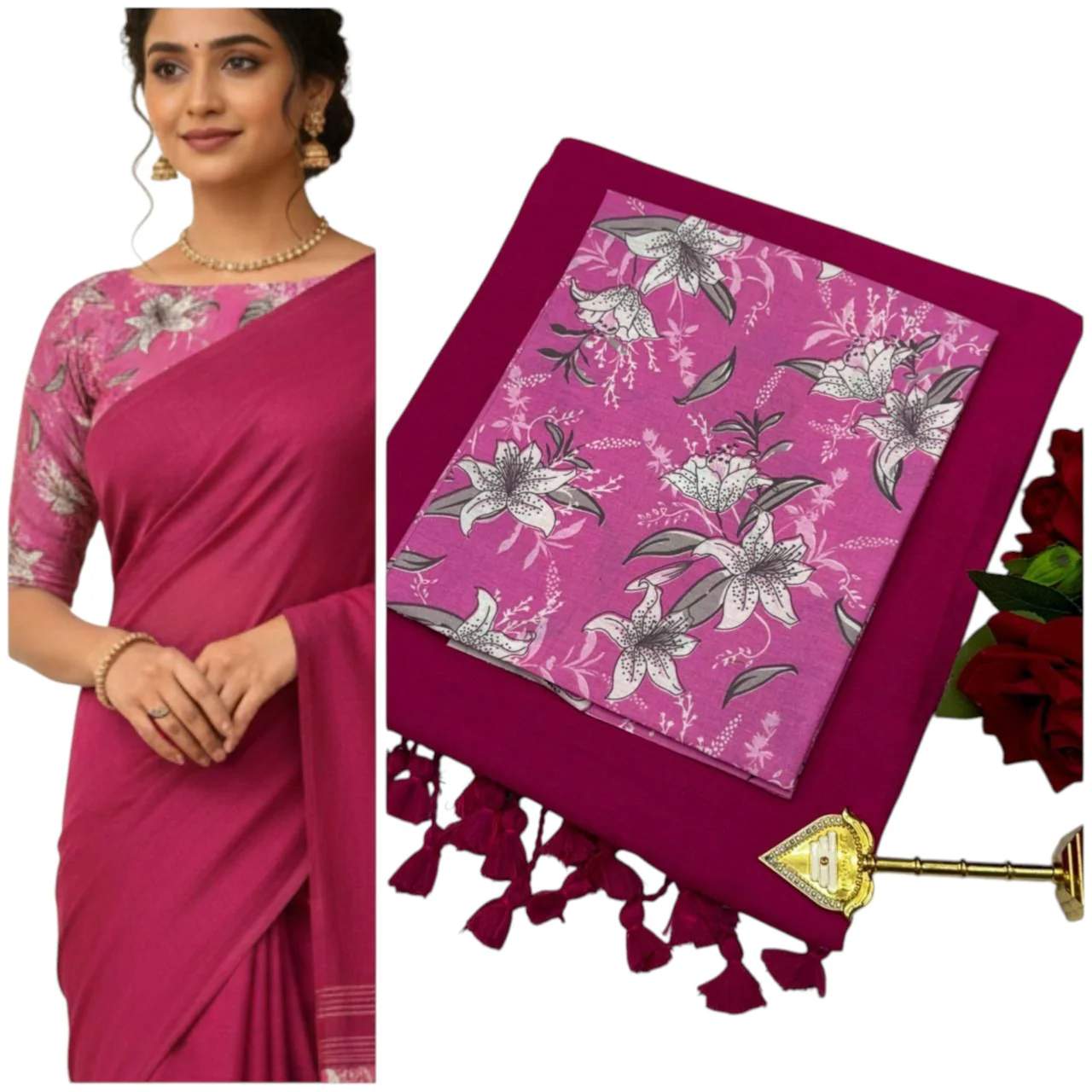
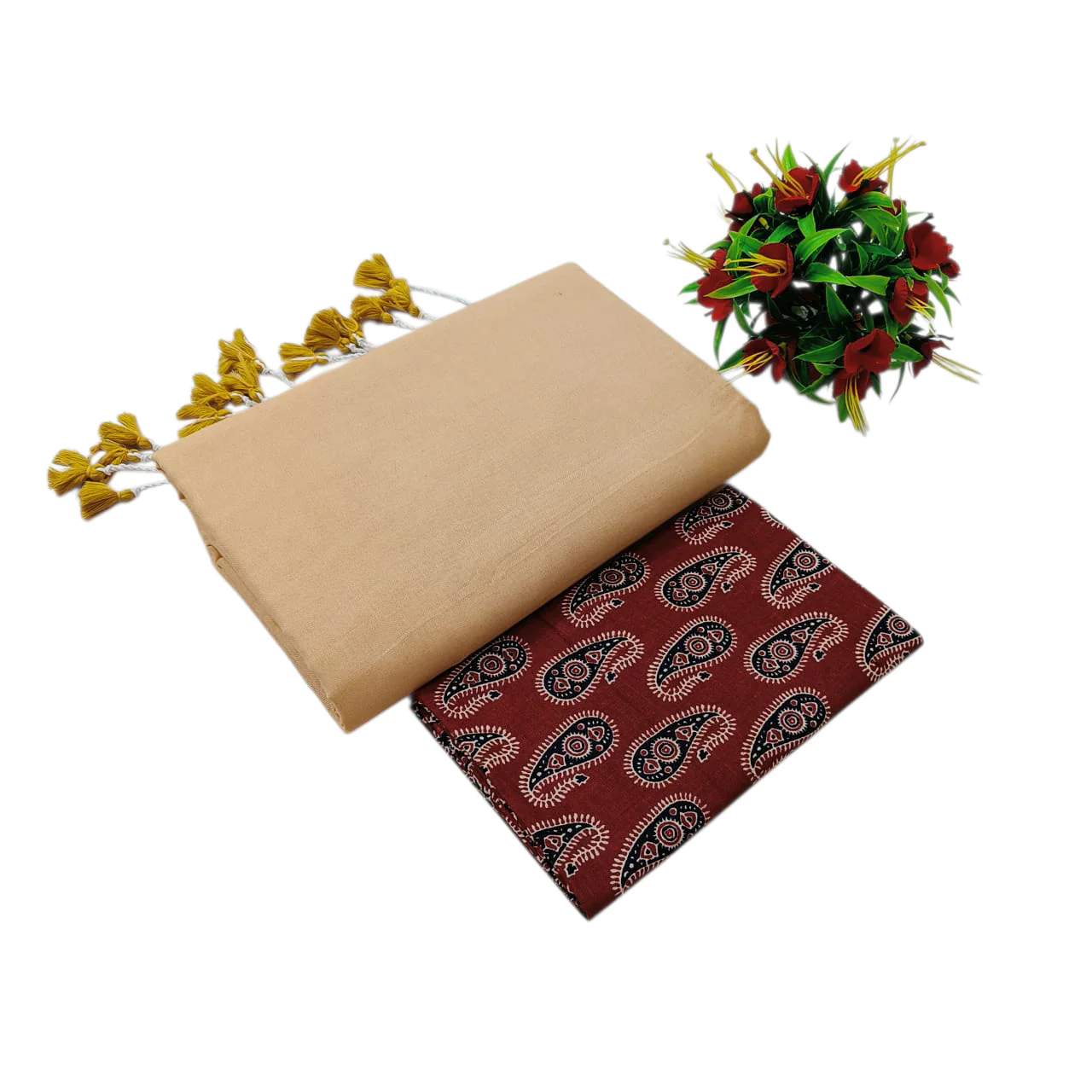
Cotton is the everyday hero of the Indian wardrobe, and for good reason. It is breathable, light and forgiving, which makes it ideal for daily wear, office days and the long, humid stretch of an Indian summer. Handloom and khadi cottons carry a beautiful texture and a matte finish that reads as understated and elegant rather than flashy. If you want a saree you can wear to work, to a daytime gathering, or simply because it is comfortable, cotton is where to start. Our Kalyani cottons and soft khadi weaves are made for exactly this kind of easy, everyday wear.
Silk sarees: occasion and grandeur
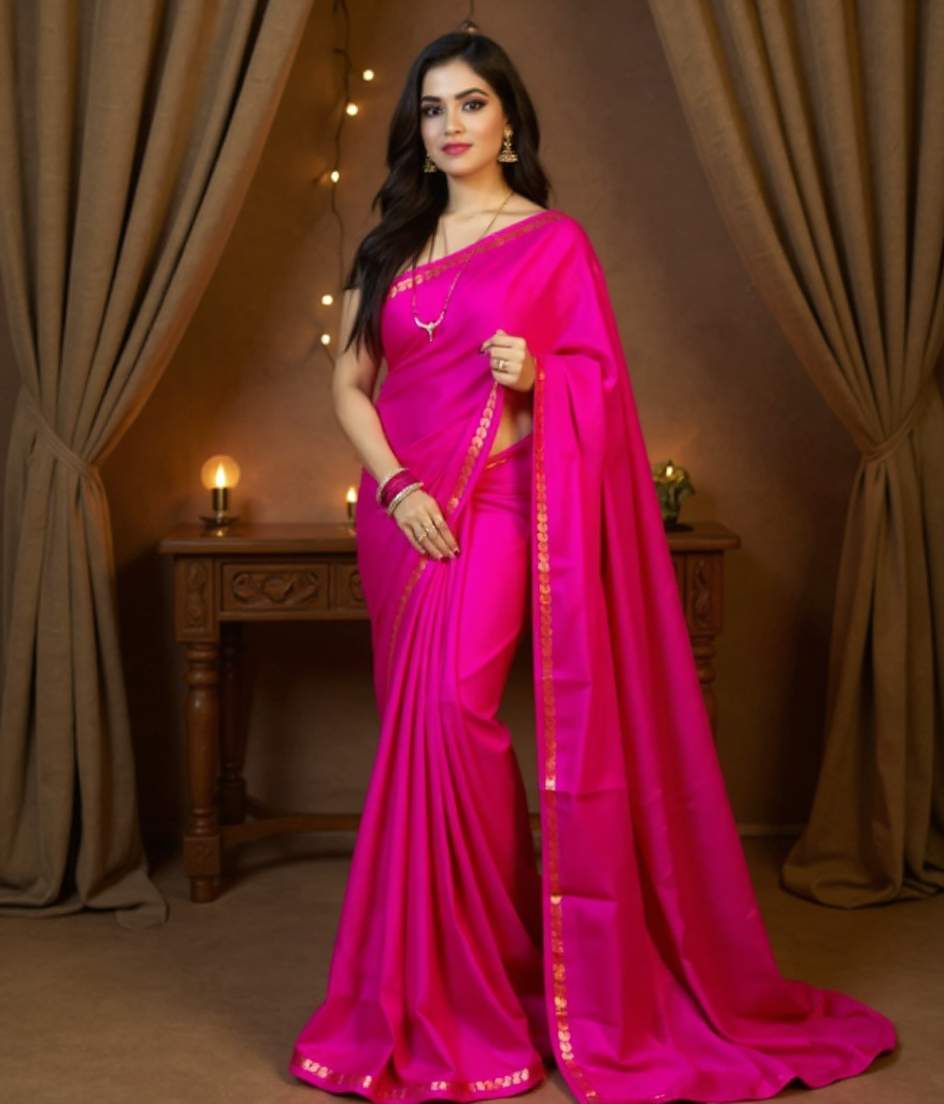
When the occasion calls for something richer, silk answers. Silk has a natural sheen, a satisfying weight and a formal presence that no other fabric quite matches, which is why it remains the fabric of weddings, festivals and celebrations. Semi Mysore silk and soft lichi silk are lighter, easier-to-drape options for anyone who finds a traditional Kanjeevaram too heavy. A silk saree is an investment piece, one that photographs beautifully and lasts for years with a little care.
Linen sarees: the breathable modern classic
Linen has quietly become one of the most loved saree fabrics for the modern woman. It pairs the breathability of cotton with a subtle sheen and a crisp, elegant drape that looks effortlessly put together. Linen sarees carry both work and evening wear, take to minimal styling beautifully, and only get softer with each wash. If you like a clean, contemporary aesthetic, linen is well worth exploring.
Georgette and organza: drape and drama
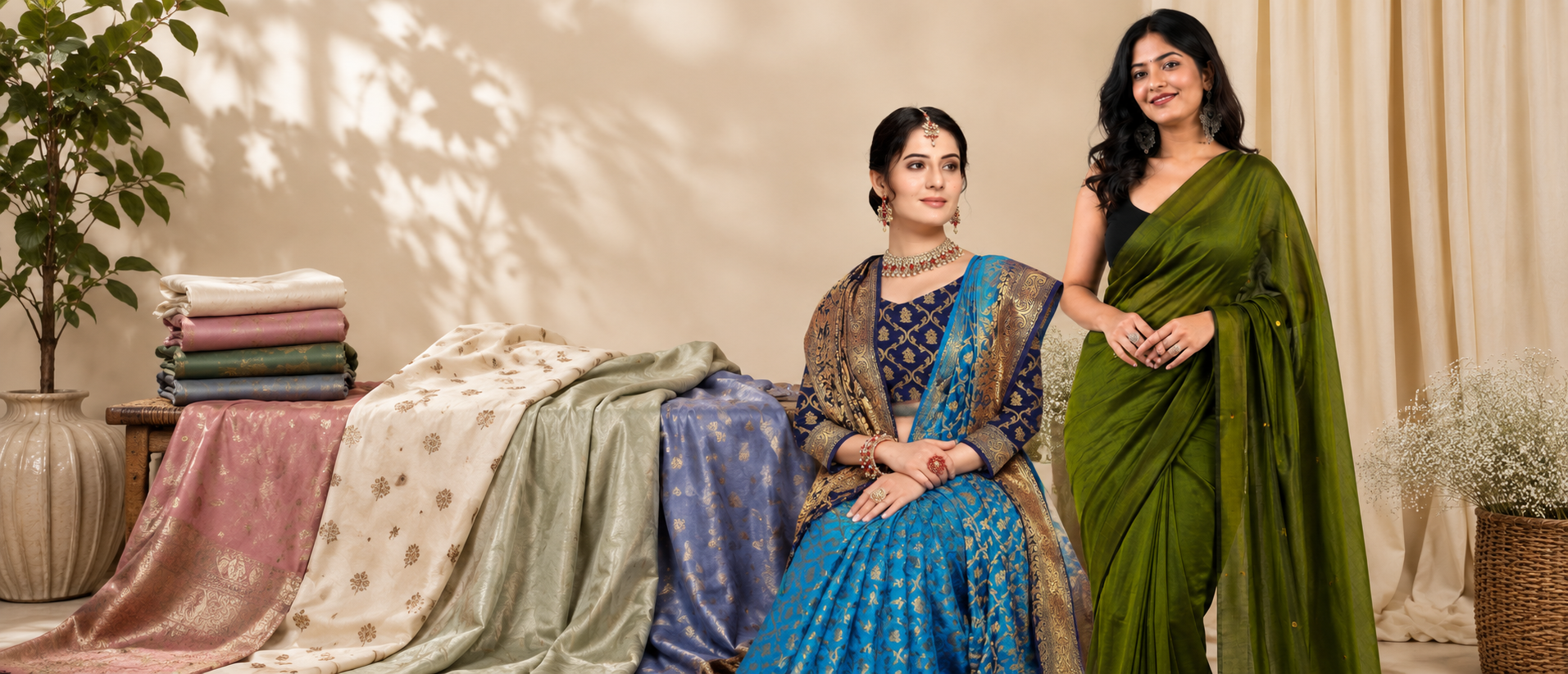
For fluid movement and a touch of drama, georgette and organza lead. Georgette is soft, slightly stretchy and drapes close to the body, which makes it flattering and easy to carry, and it holds sequin and embroidery work without weighing you down. Organza is sheer, crisp and structured, perfect for a modern, statement look. Both are favourites for parties, receptions and evenings where you want the saree to move and catch the light. Our georgette sarees and designer edit are full of exactly these pieces.
 Every For She saree is chosen for its fabric first, then its finish, so it drapes as beautifully as it looks. EXPLORE NOW
How to choose by occasion and season
The easiest way to choose a fabric is to start with where you will wear it and when. This quick guide covers most days.
| Occasion or season | Best fabric |
|---|---|
| Daily wear, office, summer | Cotton, linen |
| Festivals, weddings, formal events | Silk (Mysore, lichi) |
| Parties, receptions, evenings | Georgette, organza |
| Monsoon and humid days | Cotton, linen (skip heavy silk) |
For India's climate, breathable cottons and linens carry you through summer and the monsoon, while silk comes into its own for the winter wedding season. The idea of matching cloth to climate is not new: India's handloom traditions, documented by bodies like the country's Ministry of Textiles, evolved region by region around exactly this. Match the fabric to the day, and the rest of the choice falls into place.
Caring for your saree fabric
Different fabrics ask for different care. Cotton and linen are happy with a gentle hand wash or a mild machine cycle, and they actually soften over time. Silk prefers dry cleaning or a careful cold-water hand wash, kept out of direct sun. Georgette and organza, especially with sequin or cut work, are best dry cleaned to protect the embellishment. Whatever the fabric, refold your sarees along different lines each time and store them in a cool, dry place, ideally in a cotton cover, so the folds do not weaken. A little care keeps a good saree looking new for years.
The takeaway
Choosing a saree fabric comes down to matching the weave to your life: cotton and linen for easy everyday elegance, silk for the big occasions, georgette and organza for movement and sparkle. Once you know how each fabric behaves, buying a saree stops being a guess and starts being a pleasure.
Ready to find yours? Explore the full For She saree collection, woven from premium fabrics and delivered across India, or browse everything in the store.
Fabric guides, styling ideas and new arrivals from For She, straight to your inbox.
EXPLORE NOW